
View Our Products


Compare Blue Silk and Indian Soapstone for kitchen countertops. Learn about color, hardness, maintenance, and which soapstone variety fits your home.

Soapstone has been used in homes for centuries, long before granite and quartz became the dominant countertop materials. It was the surface of choice in old colonial kitchens, science laboratories, and apothecary shops because of one simple quality: it handles heat without flinching. You can set a scorching pot directly on soapstone and walk away without worry. No trivets required.
In recent years, soapstone has made a real comeback with homeowners who want something different from the granite and quartz options that fill most kitchen showrooms. Two varieties, Blue Silk and Indian Soapstone, account for the majority of what's available in the Metro Detroit market today. They share the same mineral family, but they look and perform differently enough that choosing between them is worth some careful thought.
Soapstone is a metamorphic rock composed primarily of talc, which gives it that characteristic smooth, almost waxy feel. The name comes from exactly what you'd guess: it feels like a dry bar of soap when you run your fingers across it. Depending on the specific quarry and mineral composition, soapstone also contains varying amounts of chlorite, magnesite, and other minerals that affect its hardness, color, and veining patterns.
The talc content is the key variable. Stones with very high talc content (the kind used for carving and sculpture) are too soft for countertops. The soapstone used in kitchens and bathrooms has a lower talc percentage and higher concentrations of harder minerals, making it durable enough for daily use while still retaining that distinctive soft texture.
Soapstone is naturally non-porous, which is a significant practical advantage. Unlike granite, it doesn't require sealing to resist stains. Liquids sit on the surface rather than absorbing into it. Acids that would etch marble or damage some granites have no effect on soapstone. You could spill red wine, lemon juice, or tomato sauce on it and wipe it up without leaving a mark.
Soapstone's use in American homes dates back to the colonial era. It was especially common in the northeastern United States, where it was quarried locally and used for hearths, woodstove surrounds, sinks, and kitchen work surfaces. If you've ever visited a historic home in New England or the mid-Atlantic region, you've probably seen soapstone in the kitchen.
Through the 20th century, soapstone fell out of fashion as manufactured materials and polished granite took over the market. But the farm-to-table movement and the broader trend toward natural, handcrafted materials brought it back into favor starting around 2010. Today, soapstone appeals to homeowners who want a surface with history, character, and a look that gets better with age rather than worse.
Blue Silk soapstone, sometimes marketed as "Blue Silk quartzite" by some suppliers (though it's mineralogically a soapstone), comes primarily from Brazil. It's one of the harder varieties of soapstone available, which makes it particularly well-suited for kitchen countertops and other high-use surfaces.
The color profile is where Blue Silk really stands apart. The base tone ranges from a cool blue-gray to a silvery green, with dramatic veining in white, charcoal, and sometimes a pale gold. The veining patterns are often bold and linear, giving the stone a look that's closer to marble than what most people picture when they think of soapstone.
Because of its higher mineral hardness, Blue Silk is more resistant to scratching than traditional soapstone varieties. It still has that smooth, tactile quality, but it takes a bit more effort to nick or gouge the surface. This makes it a practical choice for busy kitchens where the countertop sees heavy use.
One thing to note about Blue Silk: it tends to be more expensive than traditional soapstone varieties. The dramatic veining and limited availability drive the price point closer to premium granite or mid-range quartzite. Slabs also vary quite a bit from one to the next, so picking your specific slab in person is important.
Indian Soapstone, as the name suggests, is quarried in India. It's the more traditional variety and what most people picture when they hear "soapstone countertops." This is the classic, time-tested stone that's been used in kitchens and labs for generations.
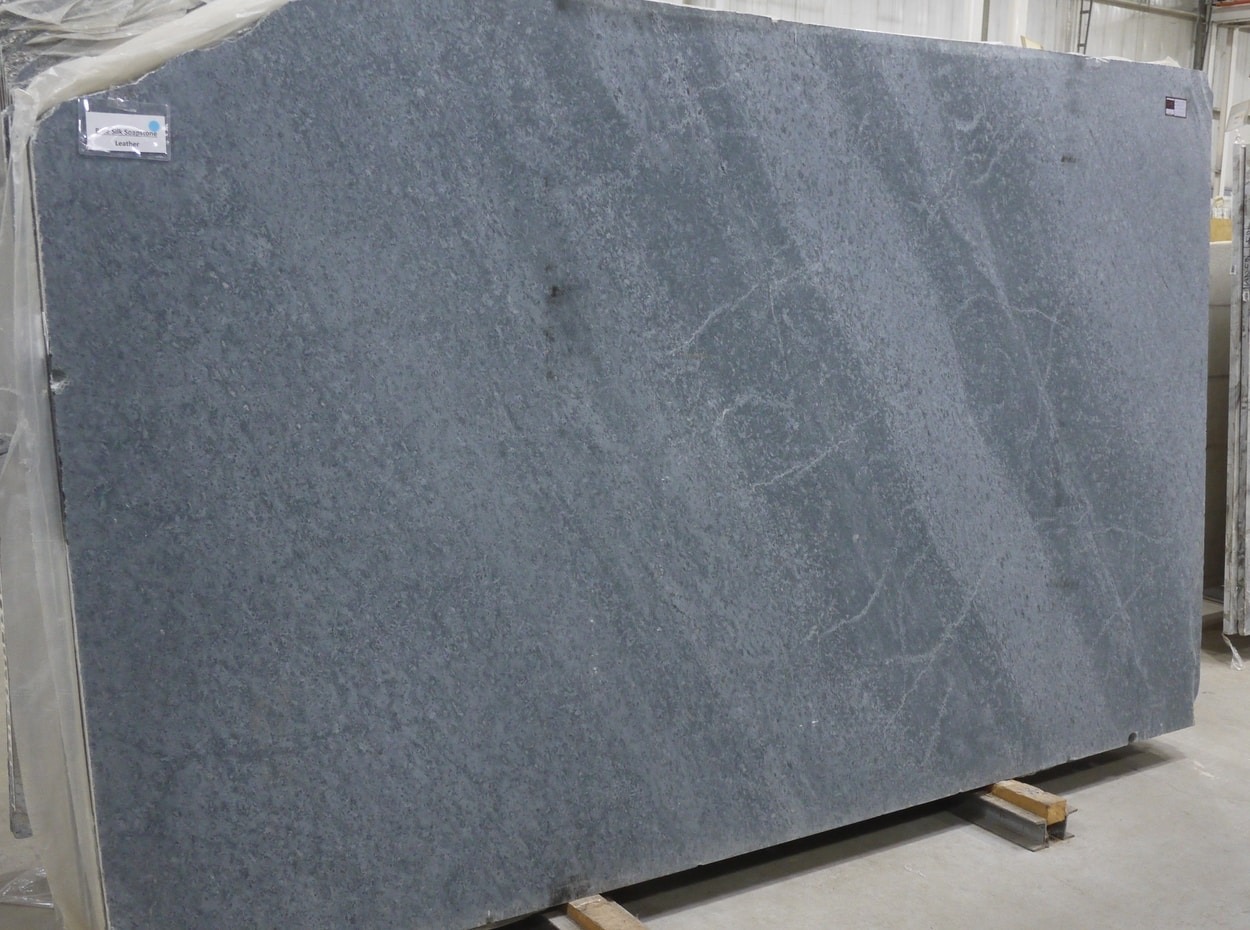
The color range is more subdued than Blue Silk. Freshly installed Indian Soapstone typically appears as a medium gray with lighter gray or greenish undertones. The veining is softer and more subtle, usually appearing as gentle, flowing lines rather than bold streaks. Some slabs are almost uniform in color, while others have moderate movement.

Here's where it gets interesting. Indian Soapstone darkens significantly over time. When treated with mineral oil (which is the standard care practice), the stone develops a deep, rich charcoal tone that's almost black. This aging process, called "patina," happens naturally even without oiling, though the oil accelerates it and makes the darkening more uniform.
Indian Soapstone has a higher talc content than Blue Silk, which means it's softer. It scratches more easily, but here's the counterintuitive part: that's not really a problem. Minor scratches blend into the patina over time, and deeper scratches can be sanded out with fine-grit sandpaper right at home. It's one of the few countertop materials where you can do your own surface repairs without calling a professional.
The price point for Indian Soapstone is generally lower than Blue Silk and competitive with mid-range granites. Its availability is also more consistent, so you'll have more slabs to choose from when you're shopping.
When it comes to hardness, Blue Silk wins. Its lower talc content and higher concentrations of harder minerals make it more scratch resistant. If you're someone who cringes at the thought of surface marks on your countertop, Blue Silk will give you fewer of them. Indian Soapstone is softer and will develop scratches with normal use, but as mentioned, those scratches become part of the stone's character and can be addressed easily.
Color is the most obvious difference. Blue Silk offers that striking blue-gray palette with bold veining, giving it a more contemporary, statement-making appearance. Indian Soapstone starts gray and ages to near-black, offering a more understated, classic look. Neither is objectively better. It comes down to the aesthetic you're going for.
Heat resistance is strong in both varieties. This is a defining feature of soapstone as a material. Both Blue Silk and Indian Soapstone can handle direct contact with hot cookware without scorching, cracking, or discoloring. If you do a lot of baking or stovetop cooking, this is a genuine practical benefit you won't get from most other countertop materials.
Stain resistance is also comparable between the two. Both are non-porous and naturally resistant to staining without the need for chemical sealers. This gives soapstone a maintenance advantage over granite, which needs periodic resealing to maintain its stain resistance.
For maintenance routines, Indian Soapstone asks a bit more of you. Regular mineral oil applications (monthly at first, then tapering to a few times a year) keep the patina developing evenly. Blue Silk can also be oiled to deepen its color, but it doesn't change as dramatically, so some homeowners skip the oiling altogether.
Blue Silk soapstone works well in kitchens where you want the countertop to be a focal point. Its veining and color make it a natural centerpiece, similar to how a dramatic marble or quartzite slab functions in a design. It pairs nicely with white or light gray cabinetry, modern hardware, and clean-lined designs. In Metro Detroit's newer builds and contemporary renovations, Blue Silk can give a kitchen real visual weight without going dark.
Indian Soapstone is the better fit for homeowners who prefer a quieter, more timeless look. It's at home in farmhouse kitchens, traditional spaces, and Craftsman-style homes. The deep charcoal patina it develops over time looks particularly good with white shaker cabinets, wood accents, and warm metals like brass or copper. It also works well for bathroom vanities, laundry room counters, and fireplace surrounds.
Both varieties work for outdoor kitchen applications in Michigan, though you should discuss climate considerations with your fabricator. Soapstone handles temperature swings well, but the specific installation details matter for long-term performance through our winters.
Daily cleaning is simple for both types. Warm water and a mild soap on a soft cloth will handle everyday messes. Because soapstone is non-porous, you don't need specialized stone cleaners, though they won't hurt anything if you prefer using them.
For Indian Soapstone, the mineral oil routine is the main ongoing commitment. Food-grade mineral oil is inexpensive and easy to apply. Just pour a small amount onto the surface, spread it with a soft cloth, let it sit for 20 to 30 minutes, then buff off the excess. In the first few months after installation, monthly applications help the stone develop its patina more evenly. After that, every few months is plenty.
Blue Silk needs less oiling attention. Some owners oil it occasionally to deepen the color slightly, while others prefer the natural, unoiled look. Either approach is fine.
For scratches on Indian Soapstone, fine-grit sandpaper (220 to 400 grit) followed by a mineral oil application will blend the scratch into the surrounding surface. It's a satisfying fix that takes about five minutes. On Blue Silk, scratches are less common, but the same sanding technique works if one does appear.
Picking between Blue Silk and Indian Soapstone comes down to two main questions. First, what look do you want? If you're drawn to dramatic veining and a cooler color palette, Blue Silk is your stone. If you prefer a quieter surface that darkens gracefully into a deep charcoal over the years, Indian Soapstone is the way to go.
Second, how do you feel about patina? Soapstone, especially the Indian variety, is a "living" surface that changes with time and use. Some homeowners love that. They enjoy watching their countertop evolve and see the marks of daily life as adding character. Others prefer a surface that looks the same on day one thousand as it did on day one. If you're in the second camp, Blue Silk's greater hardness and more stable appearance might be the better match.
Either way, choosing soapstone means choosing a countertop material with genuine history and unique practical strengths. It performs differently than granite or quartz, and it looks different, too. For Metro Detroit homeowners who want their kitchens to stand apart from the standard options, both Blue Silk and Indian Soapstone are worth seeing in person. Schedule your appointment at AP Marble & Granite to view soapstone slabs in Metro Detroit today!
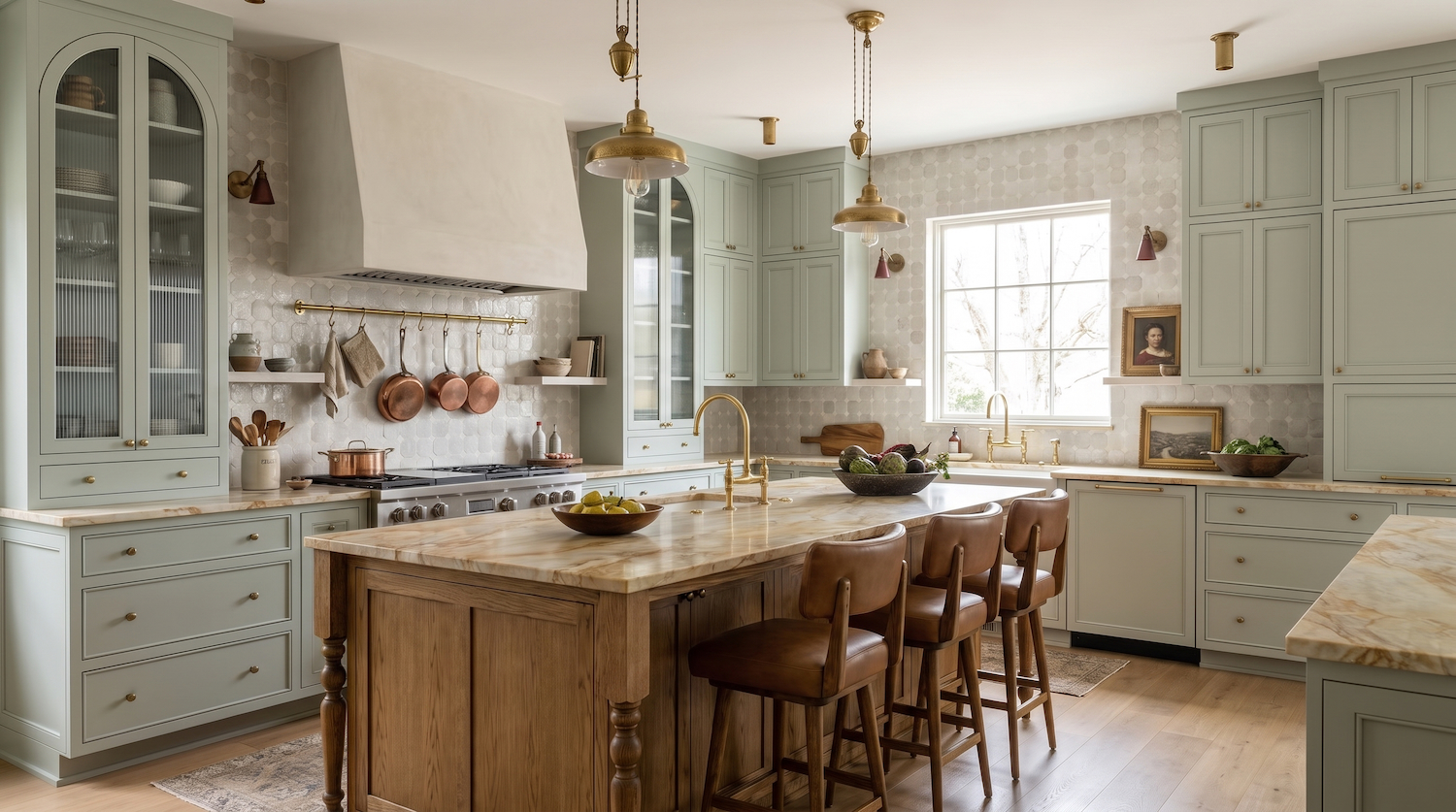
Discover how kitchen design is changing in 2026: layered color, leathered finishes, darker stone, and smaller islands in Metro Detroit kitchens.
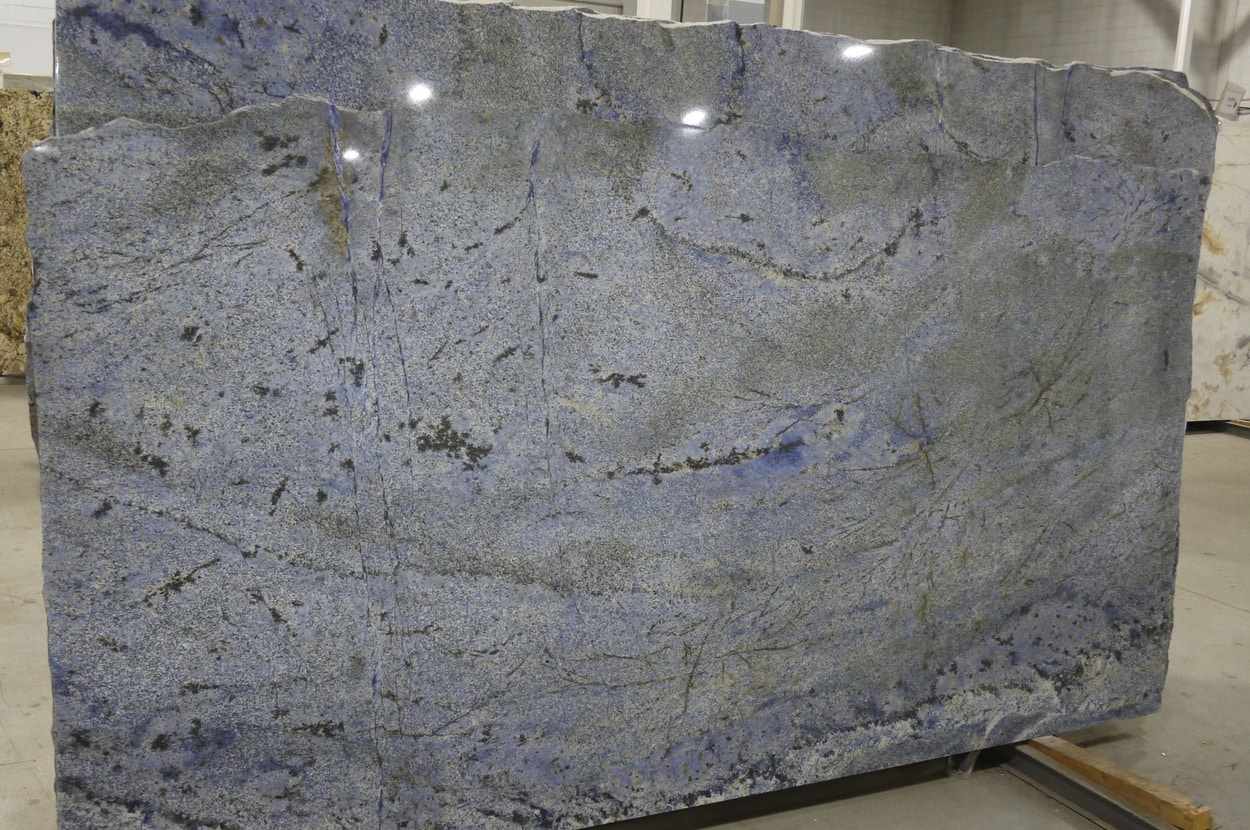
Explore eight exotic granite slabs most showrooms never stock, from royal blue Azul Bahia to Black Marinace, in our Metro Detroit stone showroom.