
View Our Products


Compare Calacatta Quartzite and Calacatta Marble for your Metro Detroit home. Learn the differences in durability, cost, maintenance, and design options.

For Metro Detroit homeowners looking for a high-end countertop, two names come up often: Calacatta quartzite and Calacatta marble. Both are natural stones with bold veining against a creamy white background. Both look gorgeous in a kitchen or bathroom. And both cost enough that you want to get the choice right the first time.
Here is the thing, though. Despite sharing a name, these are very different materials. Pick the wrong one for how you actually use your kitchen, and you will end up frustrated, spending money on maintenance, or watching your finish deteriorate. So it is worth understanding what separates them before you commit.
Calacatta marble comes from the Carrara region of Tuscany, Italy. People have been quarrying it there for centuries. Michelangelo carved from Carrara marble. The Pantheon in Rome features it. It has a long history, and that heritage is part of what people are paying for.
What separates Calacatta from other Italian marbles like Carrara or Statuario is the veining. Carrara has softer, more subtle gray veining. Calacatta typically has thick, sweeping veins in gold, gray, or sometimes taupe against a bright white background. Every slab looks different, and the best ones are genuinely hard to walk away from.
At AP Marble & Granite, we carry several different types of Calacatta marble. Options like Calacatta Porto have thicker veins in soft grey and beige hues, while Calacatta Caldia shown below, is a popular option for those looking for more subtle movement and less color variation.

Calacatta Caldia Marble
Calacatta Quartzite is also a natural stone, but it is not marble. It is a metamorphic rock that forms when sandstone gets subjected to extreme heat and pressure underground. That process transforms the quartz grains into an interlocking crystalline structure that is significantly harder and more durable than marble.
It gets the “Calacatta” name because it looks similar to the marble with a white or off-white background and beautiful veining. There are different variations of the Calacatta Quartzite as well. Some, like the dramatic Calacatta Botticelli have more color variation within the veins including black, gold, and grays. Calacatta Boheme on the other hand is a little more subtle with hints of blue.

Calacatta Botticelli Quartzite
One important distinction: natural quartzite is not the same thing as engineered quartz. Engineered quartz is manufactured from crushed quartz mixed with resins. Natural quartzite is a geological formation quarried in Brazil, India, and elsewhere. Completely different materials.
This is the biggest practical difference between marble and quartzite. Calacatta Marble ranks 3 on the Mohs hardness scale. That makes it a soft stone. It scratches fairly easily, and acidic substances like lemon juice, tomato sauce, wine, and vinegar will etch the polished surface on contact. Etching leaves dull spots that require professional restoration to fix. If your kitchen sees daily cooking, that is a real problem.
Calacatta Quartzite ranks 7 on the Mohs scale, harder than granite and much harder than marble. It resists scratching from kitchen knives, does not etch from common acids, and holds up under daily use without showing wear. If you cook a lot or entertain regularly, quartzite handles that without complaint.
Heat resistance follows a similar pattern. Quartzite handles hot pots and pans without damage, while marble can be thermally shocked by extreme temperature changes. We still recommend trivets for both, but quartzite gives you a much wider margin of safety.
Both stones are porous to some degree, meaning they can absorb liquids if left unsealed. But the porosity levels are quite different.
Marble is notably porous. Without proper sealing, spilled red wine, coffee, oil, or even water can penetrate the surface and leave stains. Even with professional sealing, you need to stay on top of spills. The stone should be resealed every 6 to 12 months depending on how much use it gets.
Quartzite absorbs liquids much more slowly. It still benefits from sealing, but you have significantly more time to clean up a spill before anything happens. Most quartzite installations in Metro Detroit kitchens perform well for years with annual sealing and basic care.
Both stones are beautiful, but placed side by side, there are real differences. Calacatta Marble has a luminous, almost translucent quality. The white background glows softly, and the veining seems to float inside the stone. There is a warmth and depth to marble that many designers consider unmatched. It reads as classic, timeless, old-world.
Calacatta Quartzite has a more crystalline, mineral-rich look. The white tends to be slightly cooler, and the veining may include mineral colors that marble typically lacks. The polished surface has a harder, more glass-like quality. Some people prefer this cleaner, more contemporary feel. Others find it lacks the organic warmth of genuine marble.
Both vary significantly from slab to slab. If you are selecting either material for a large island or bathroom vanity, you really need to see the actual slabs in person. Photographs do not capture the depth and character of these stones.
Calacatta Marble requires more attention than almost any other common countertop material. Daily cleaning means wiping with a mild, pH-neutral cleaner. Acidic foods cannot sit on the surface. You need cutting boards every time. Professional sealing should happen annually, and you may need periodic etching restoration. Some homeowners view this as part of the experience and appreciate the patina marble develops over time. Others find it exhausting.
Calacatta Quartzite is much less demanding. Clean it with any non-abrasive cleaner. Annual sealing is recommended but not as critical as with marble. The stone resists etching, scratching, and staining under normal kitchen conditions. For busy Metro Detroit families who want the look without constant worry, quartzite is a lot easier to live with.
Natural stone is an investment. Depending on the variety of the stone, there are price differences, but generally marble and quartzite fall within the same range. The best way to get a cost comparison is to see the slabs in person and get an exact price for the slabs you like.
Marble is the better fit for primary bathrooms, powder rooms, fireplace surrounds, or low-traffic areas where it will not face daily kitchen wear. It excels in spaces where its luminous quality can be appreciated without the risk of acid exposure and heavy use. Many Metro Detroit homeowners install marble in their primary bathroom and use a harder material in the kitchen. But others who don’t cook as often, or are not worried about extra maintenance, feel comfortable installing it in their kitchens.
Quartzite makes more sense if you want the Calacatta look in your kitchen, but worry about the staining and etching. It gives you the veining and the premium look while standing up to real daily use. If you do not want to think about your countertops every time you set down a glass of wine, quartzite is the answer.
The final decision comes down to how you plan to use the stone and how much maintenance you are willing to accept.
If the warmth and heritage of genuine Italian marble matter to you more and you are prepared to care for it properly, Calacatta marble is a choice that nothing else quite replicates. If you want the Calacatta aesthetic with better durability, lower maintenance, and less worry, Calacatta quartzite is the smarter pick for most homes.
The best way to decide is to see both in person. Stop by our huge Metro Detroit showroom to compare slabs side by side, feel the surface differences, and talk through your specific project with our team. We will help you pick the right material for your home and how you actually live in it.
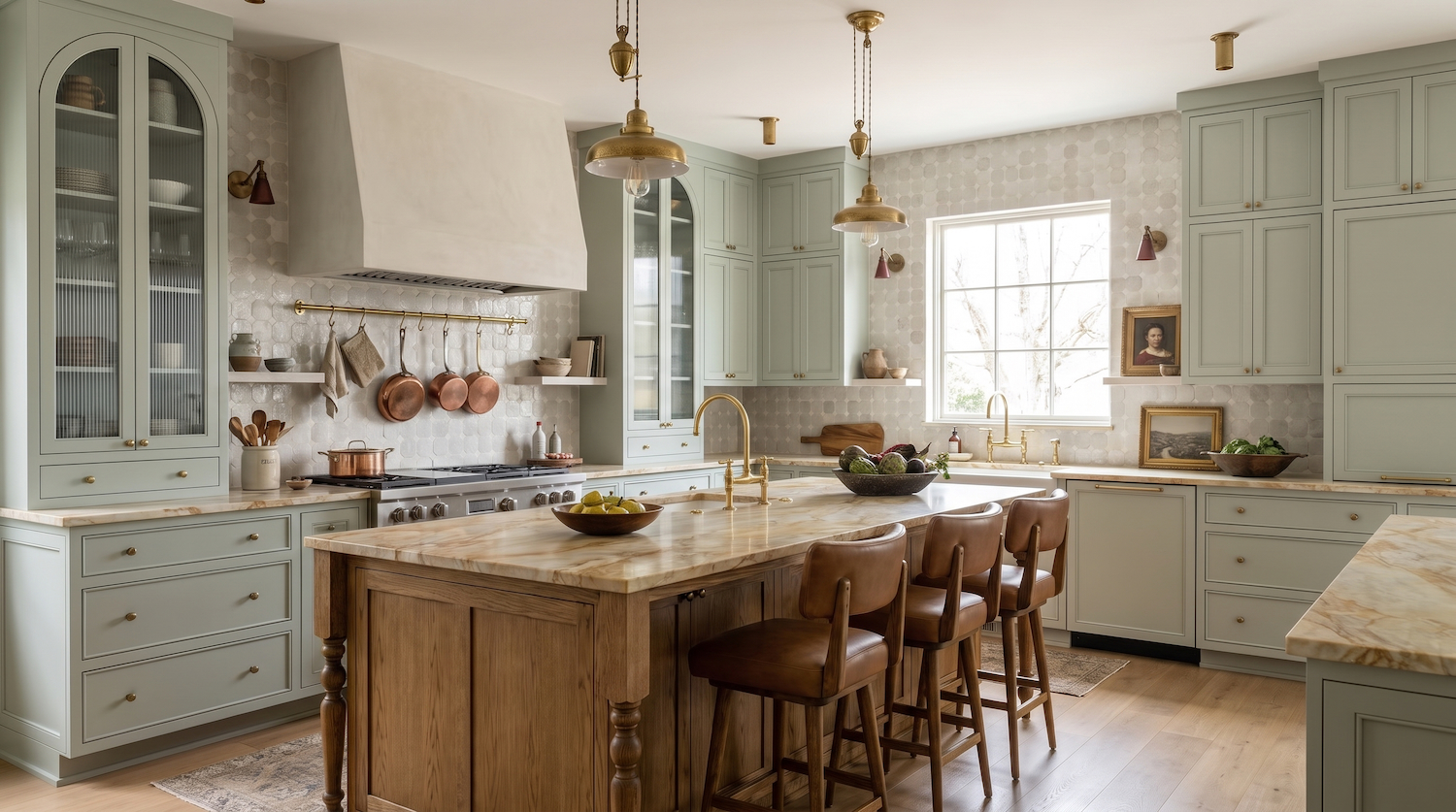
Discover how kitchen design is changing in 2026: layered color, leathered finishes, darker stone, and smaller islands in Metro Detroit kitchens.
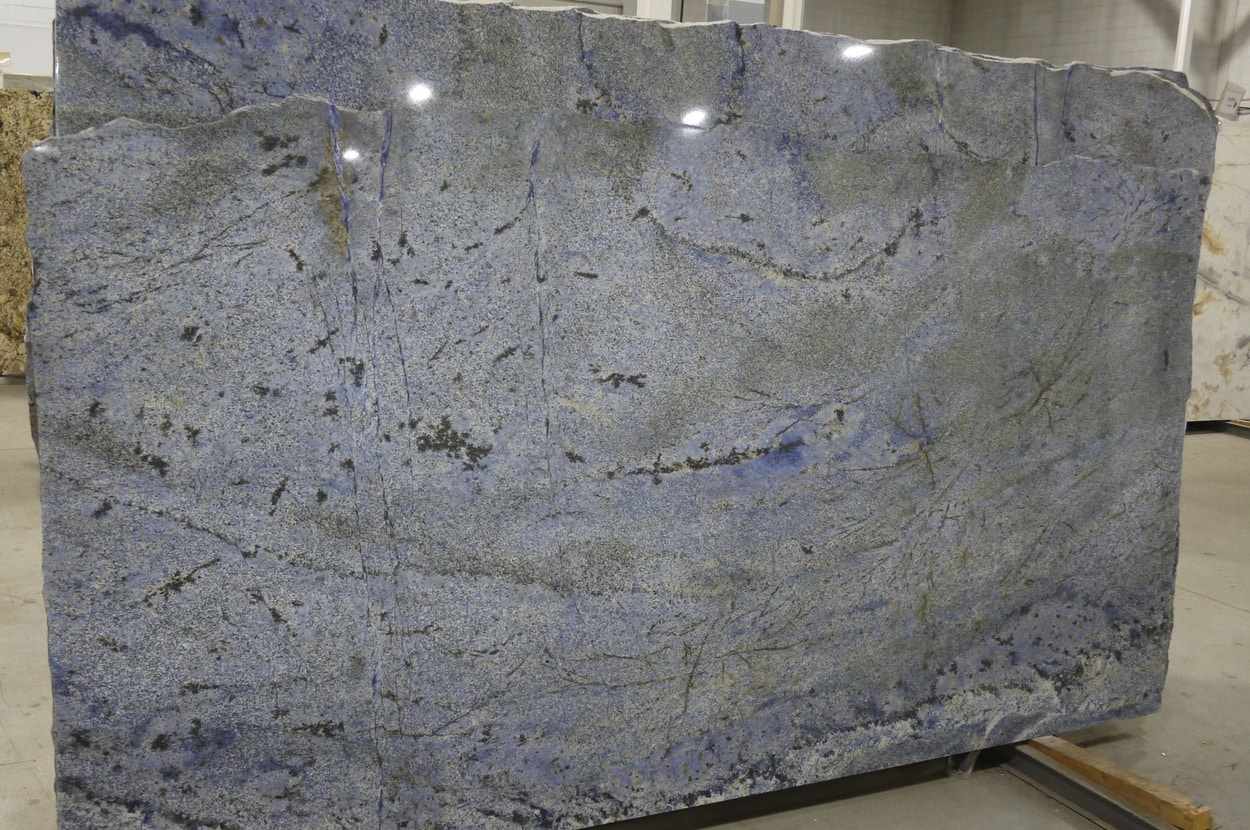
Explore eight exotic granite slabs most showrooms never stock, from royal blue Azul Bahia to Black Marinace, in our Metro Detroit stone showroom.